A Greener Way to 3D Print Stronger Stuff
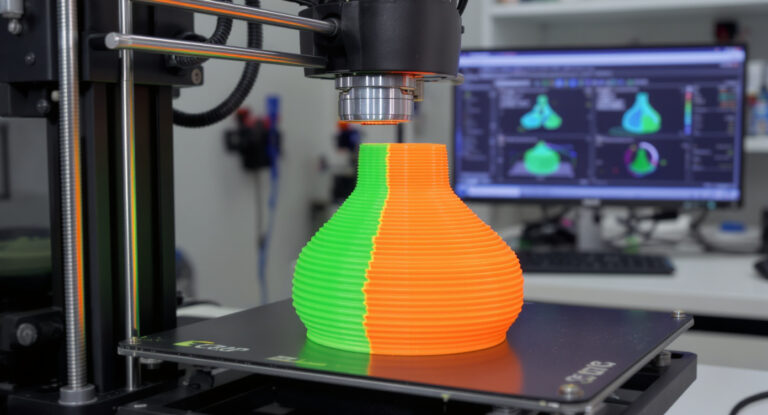
MIT CSAIL’s SustainaPrint blends eco-friendly and strong plastics, reinforcing only where needed. The result: greener 3D prints with up to 70% of the strength of high-performance plastic while cutting waste.

MIT CSAIL’s SustainaPrint blends eco-friendly and strong plastics, reinforcing only where needed. The result: greener 3D prints with up to 70% of the strength of high-performance plastic while cutting waste.
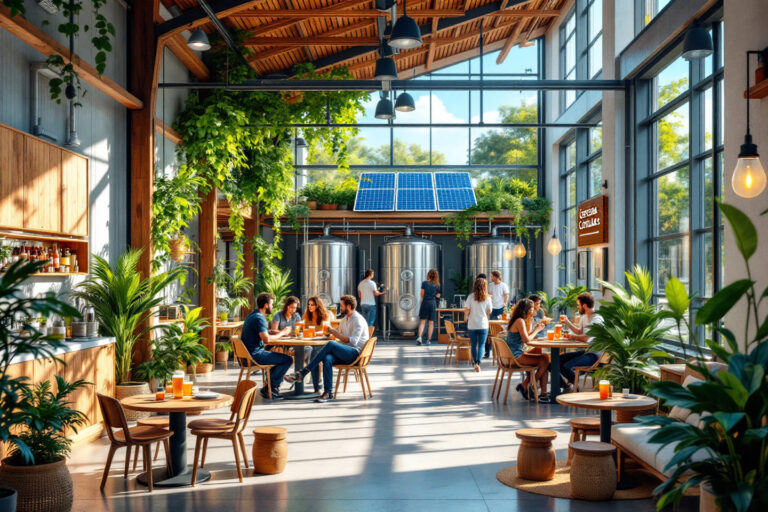
Estrella Galicia is redefining the hospitality industry with its “Circular Breweries” initiative—merging sustainability, innovation, and eco-efficiency. By transforming traditional bars into environmentally conscious spaces, they’re setting a new standard for the HORECA sector.
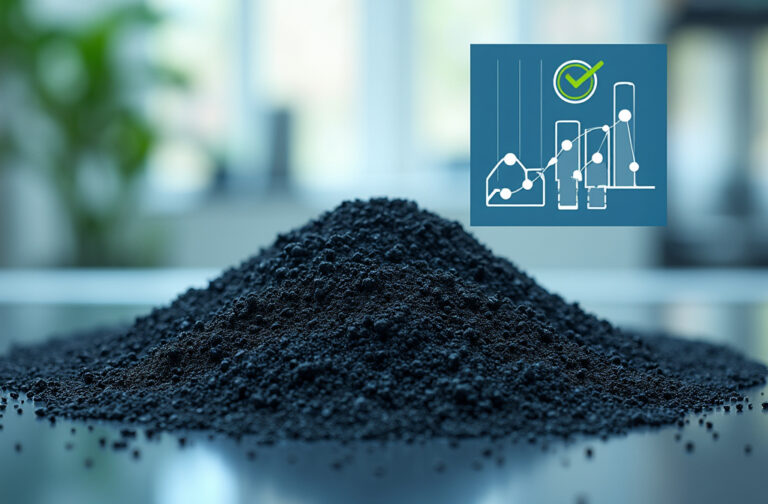
“In a groundbreaking achievement, researchers at the University of Missouri have developed a simple yet effective method to break down “forever chemicals” (PFAS) using granular activated carbon (GAC). By heating PFAS with GAC at a moderate temperature, they achieve a remarkable 90% mineralization, transforming these persistent pollutants into harmless inorganic fluorine. This innovative approach offers a cost-effective and sustainable solution for communities worldwide, providing new hope in the fight against PFAS contamination

s plastic waste continues to threaten the environment, advanced mechanistic modeling is emerging as a key solution to optimize chemical recycling. These models help break down plastics into reusable components efficiently, reducing reliance on virgin materials and minimizing pollution. Discover how kinetic simulations and innovative modeling techniques are shaping the future of sustainable plastics.
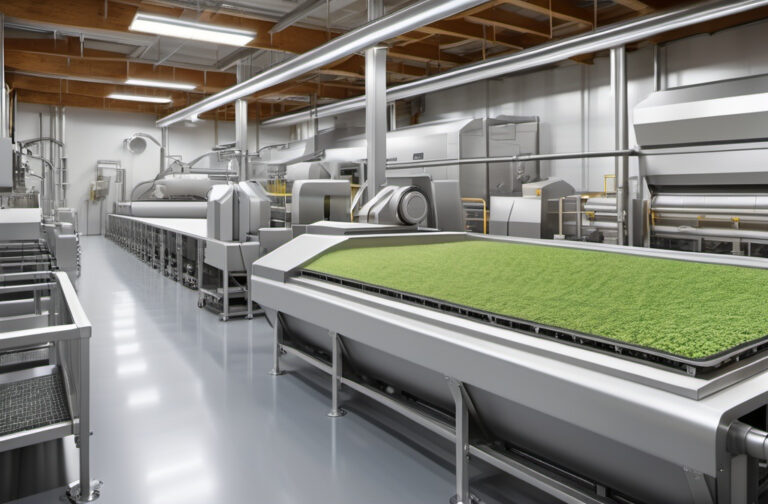
Ardent Mills is redefining food production by integrating advanced technology like automated metal detectors and paper-lite QA systems with traditional milling methods. This innovative approach enhances food safety, improves efficiency, and aligns with sustainability goals. The company demonstrates how to balance modern advancements with heritage, paving the way for a more sustainable future in the industry.
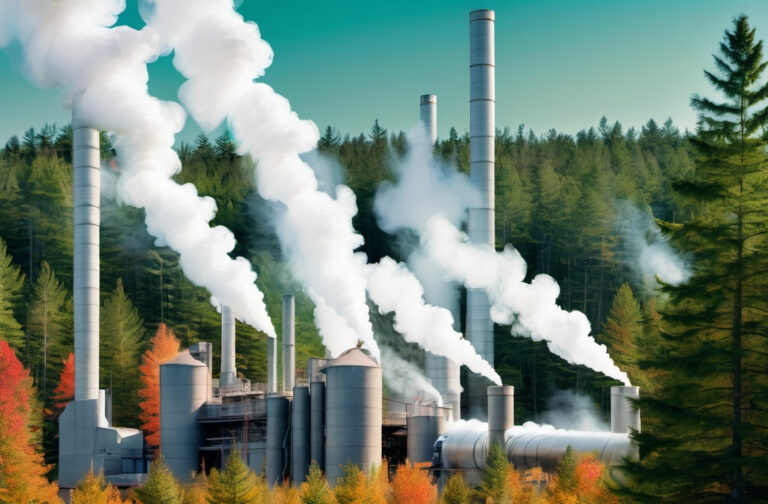
Maine’s paper and pulp mills could cut CO2 emissions in half with laser-based drying technology, paving the way for greener industry practices while preserving local jobs.

Sateliot and UNESCO are launching the Sateliot Impact Challenge to revolutionize STEM education in Latin America. This initiative equips teachers with project-based learning methods and students with problem-solving skills to address real-world issues. Starting in Brazil and Chile, the program will expand globally, culminating in the BCN2026 Hackathon, where the best projects are showcased. Sateliot’s innovative satellite technology and UNESCO’s educational expertise make this a groundbreaking partnership aimed at fostering equitable and sustainable development through education.
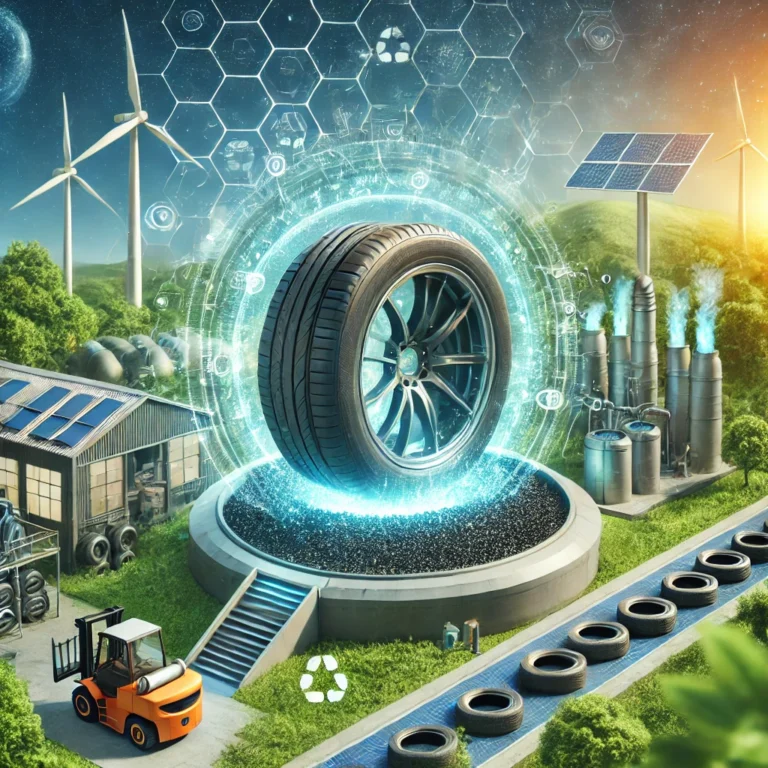
The CBreCYCLE project introduces an innovative technique to extract and purify carbon black from waste tyres using advanced pyrolysis technology. This method significantly reduces CO₂ emissions compared to traditional production methods and produces high-quality recycled carbon black for use in various industries, including paints, pigments, and coatings. With over 1 billion tyres discarded annually, this breakthrough contributes to a circular economy, transforming waste into valuable resources and advancing global sustainability goals.

Baylor engineers reveal an ultra-clean biofuel technology using a unique Swirl Burst injector, enabling zero-emission combustion of waste-based fuels like glycerol, driving sustainability and cost-effective energy solutions.

Shippers are shifting to green methanol for zero-carbon maritime solutions, with projects and partnerships set to emerge by 2027.