
national security

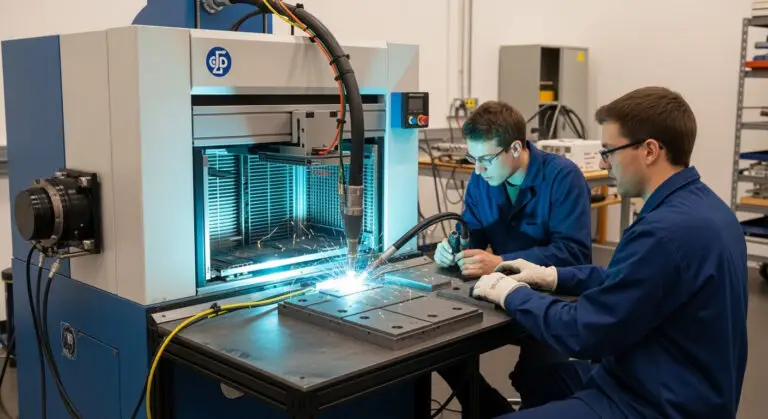
Researchers using wire arc additive manufacturing to weld steel plates in a high-tech lab.

Forging the Future: UT’s $5M Grant to Revolutionize Military Steel

The University of Tennessee, Knoxville, has secured a $5 million grant from the Office of Naval Research. Over the next three years, UT and Mississippi State University researchers will develop cutting-edge, domestically produced military-grade steels using wire arc additive manufacturing and advanced welding. Collaboration with Oak Ridge National Lab and a Navy lab in Memphis ensures scalable innovation—a major step toward revitalizing U.S. steel manufacturing and bolstering national security.

Read More...
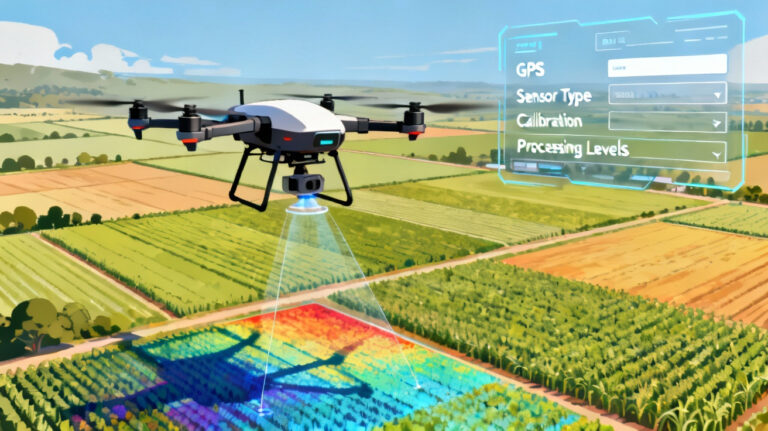
Illustration of Earth’s atmosphere as a glowing sensor network with electromagnetic waves and infrasound ripples radiating globally, set against a cosmic backdrop

DARPA’s Atmosense Program: Unlocking the Potential of Earth’s Atmosphere as a Global Sensor

DARPA’s Atmosense program is transforming the Earth’s atmosphere into a global sensor system, capable of detecting and modeling energy waves from natural and human-made events. This groundbreaking technology could revolutionize disaster detection, environmental monitoring, and national security by leveraging atmospheric signals to track phenomena on a global scale.

Read More...
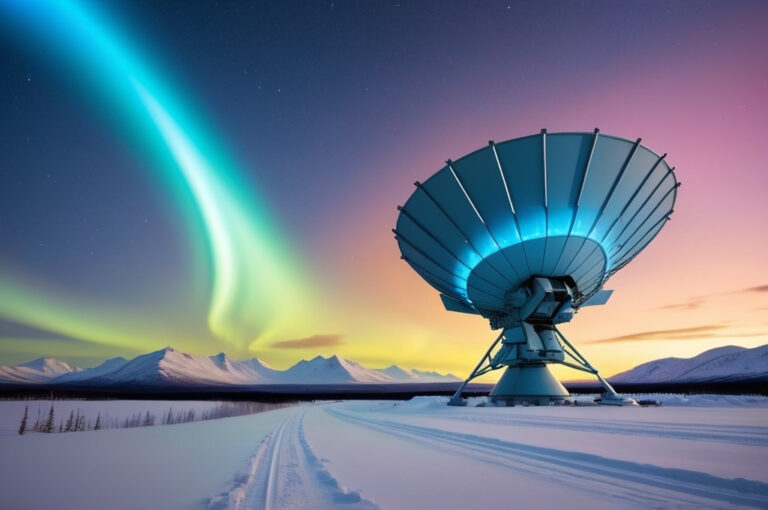
A futuristic Long Range Discrimination Radar (LRDR) system in a snowy Alaskan landscape, scanning the sky with a glowing blue energy wave, tracking potential threats under a starry night sky with an aurora.

Long Range Discrimination Radar (LRDR): The Future of Missile Defense and Beyond

The Long Range Discrimination Radar (LRDR) is revolutionizing missile defense with cutting-edge tracking and discrimination capabilities. Designed to detect and neutralize threats like ICBMs and hypersonic missiles, LRDR’s advanced technology could also reshape space surveillance, asteroid detection, and even quantum radar. Positioned in Alaska, this powerful system strengthens national security while opening doors to future scientific breakthroughs. 🚀

Read More...