circular economy

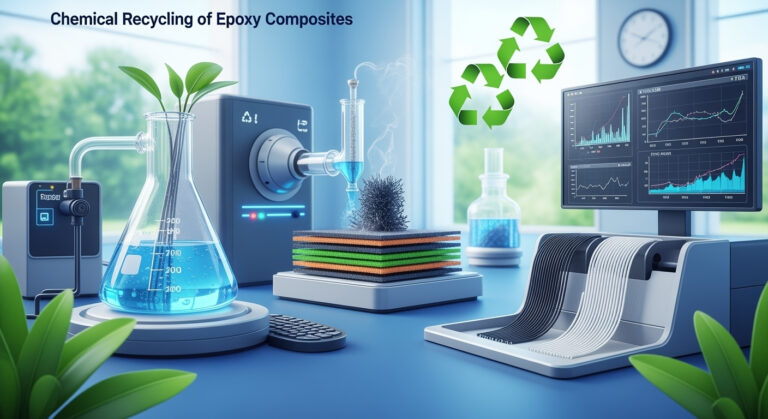
Advanced lab setup showing chemical recycling of epoxy composites using eco-friendly solvents, with recovered carbon fibers and resin analysis tools.

Breaking Down High-Tech Waste: Chemical Recycling of Bio-Based Thermosetting Epoxy Composites

Researchers have developed a groundbreaking, eco-friendly method for chemically recycling bio-based thermosetting epoxy composites. Using mild temperatures and a simple acetic acid–hydrogen peroxide solution, the process selectively breaks C–N bonds to recover both high-quality carbon fibers and reusable epoxy oligomers. This innovation offers a scalable, sustainable path to closed-loop composite manufacturing.


Read More...
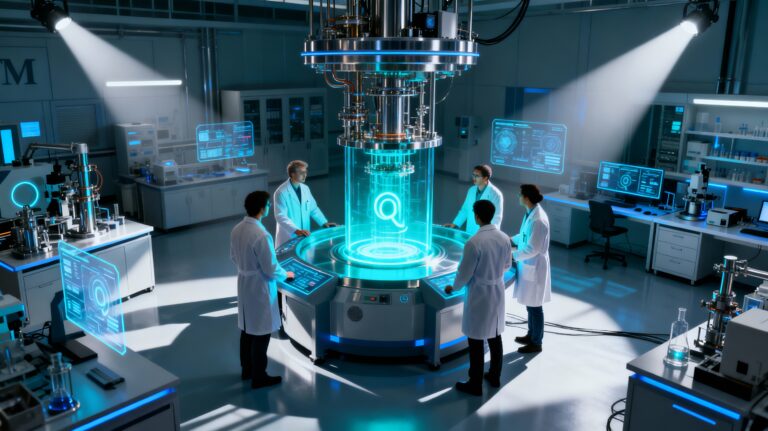
A futuristic laboratory where scientists analyze polymer depolymerization using advanced digital simulations and chemical recycling reactors.

The Future of Plastic Recycling: How Advanced Modeling is Revolutionizing Sustainability

s plastic waste continues to threaten the environment, advanced mechanistic modeling is emerging as a key solution to optimize chemical recycling. These models help break down plastics into reusable components efficiently, reducing reliance on virgin materials and minimizing pollution. Discover how kinetic simulations and innovative modeling techniques are shaping the future of sustainable plastics.

Read More...

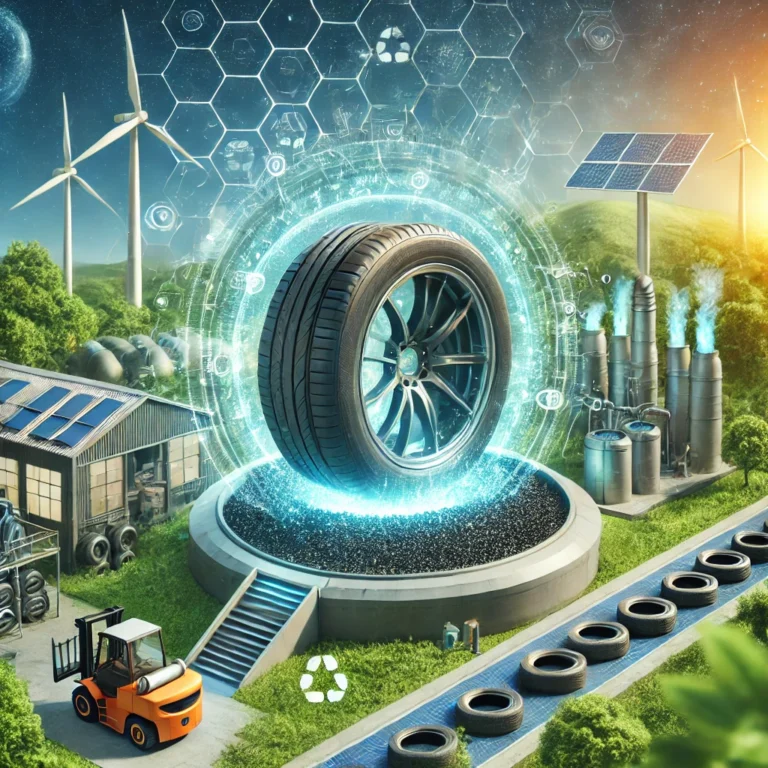
Turning Trash into Treasure: How the CBreCYCLE Project is Revolutionizing Tire Waste

The CBreCYCLE project introduces an innovative technique to extract and purify carbon black from waste tyres using advanced pyrolysis technology. This method significantly reduces CO₂ emissions compared to traditional production methods and produces high-quality recycled carbon black for use in various industries, including paints, pigments, and coatings. With over 1 billion tyres discarded annually, this breakthrough contributes to a circular economy, transforming waste into valuable resources and advancing global sustainability goals.

Read More...

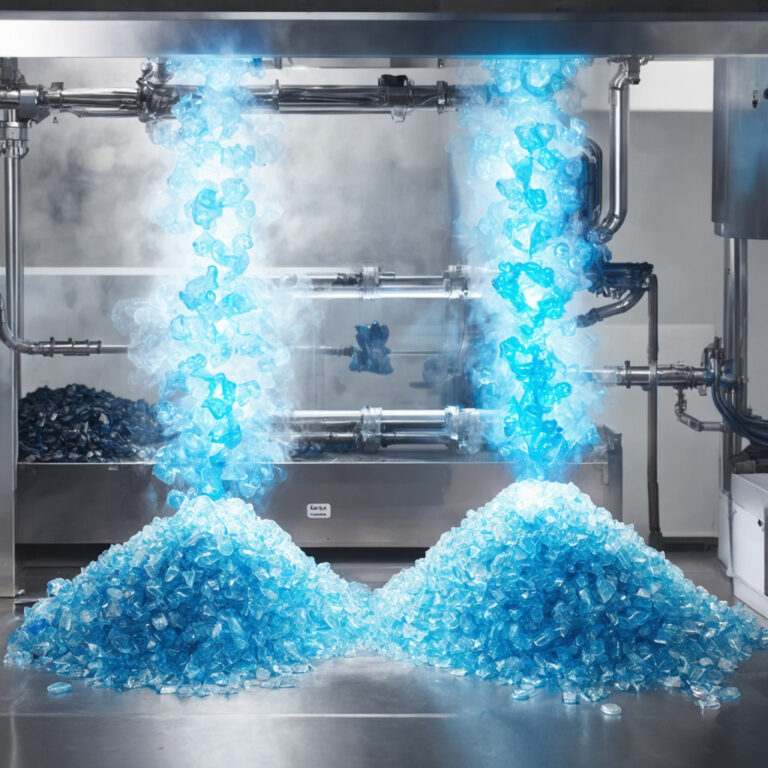
Vaporizing Plastic: A New Dawn for Recycling

Researchers at UC Berkeley have developed a catalytic process that efficiently vaporizes plastic waste, such as polyethylene and polypropylene, converting it into reusable hydrocarbons for new plastics. This advancement supports a circular economy, helping reduce plastic pollution, reliance on fossil fuels, and environmental harm from plastic waste. By breaking down the chemical bonds in plastics, this innovative method offers a new recycling pathway, potentially making large-scale plastic recycling more feasible. If implemented globally, it could greatly benefit both the environment and the economy by transforming waste into valuable resources.

Read More...